
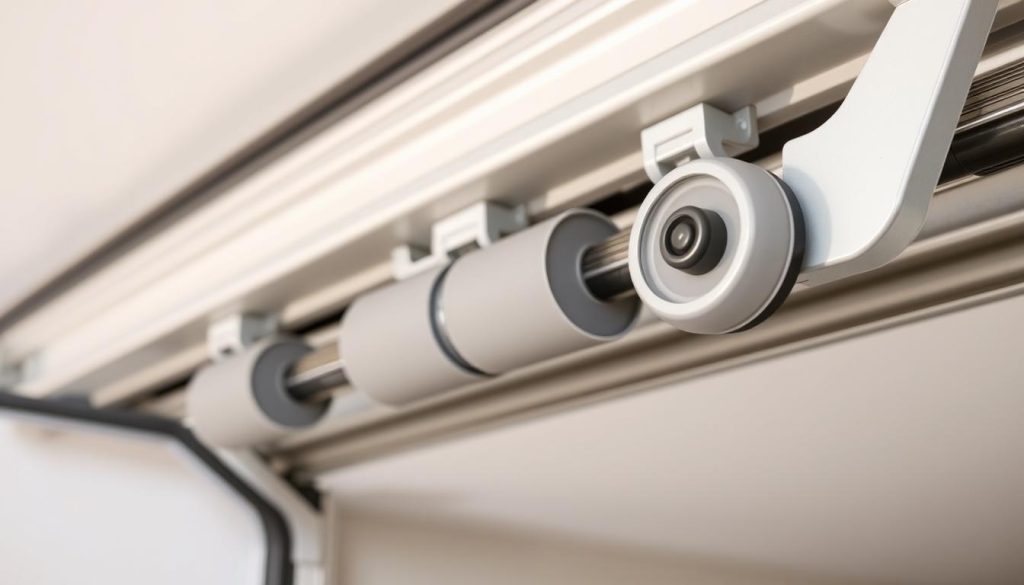
Ever noticed how your overhead entry system glides quietly day after day? Those smooth movements rely on hardworking components most homeowners rarely consider. Small wheels, known as garage door rollers, attached to panels roll along tracks, reducing friction and protecting your setup from wear.
Low-quality parts cause squeaks, sticking, and faster breakdowns. Imagine your daily routine disrupted by grinding metal or sudden jams – frustrating, right? That’s why selecting durable garage door rollers for your garage doors matters, especially when choosing the right types for your specific needs. The right choice saves cash long-term and keeps operations whisper-quiet.
Choosing the right rollers is important, but understanding how do garage door safety sensors work can help ensure your door operates smoothly and safely, preventing accidents and unnecessary wear on other components.
Australian conditions demand tough materials. Coastal humidity, dust storms, and temperature swings test every part. Different types of garage door rollers, including nylon rollers, steel, or hybrid options, each suit different needs. We’ll break down what works best for local homes – from weather resistance to noise reduction.
Key Takeaways
- Quality rollers cut noise and prevent track damage
- Material choice impacts durability in Aussie climates
- Proper maintenance extends component lifespan
- Upgrading reduces long-term repair costs
- Professional installation ensures smooth operation
Understanding the Role of Garage Door Rollers
Behind every effortless entry system movement are some unsung heroes. These tiny parts work tirelessly to shift heavy panels while keeping noise levels low. Without them, daily use would feel like pushing a wheelbarrow full of bricks uphill.
Essential Components for Smooth Operation
Think of these circular helpers as your entry system’s personal trainers. They guide panels along their path while absorbing shocks from bumps or sudden stops. Ever heard that awful grinding sound? That’s what happens when these parts wear out and metal scrapes against metal.
Quality components, including the right number of ball bearings and spring mechanisms, make all the difference. They allow motors to work smarter, not harder – like swapping hiking boots for running shoes. A well-maintained setup glides so quietly, you might forget it’s there.
| Condition | Impact | Result |
|---|---|---|
| Worn rollers | Increased friction | Motor strain & track damage |
| Properly maintained | Even weight distribution | Quiet, efficient movement |
| Damaged bearings | Uneven rotation | Jamming risks |
Reducing Friction and Wear on Your Door
Friction is the enemy of longevity. Good components act like butter in a hot pan – they let things slide without resistance. This protection matters most during our harsh summers, when expanding metal tracks test every part’s limits.
When parts fail, the whole system suffers. Motors overheat, tracks warp, and repair bills climb. Regular checks catch issues early, saving both headaches and cash. Remember – prevention beats cure for home mechanics.
Which Garage Door Rollers Are Best? Key Factors
Finding components that balance cost and longevity is crucial for hassle-free operation. Australia’s mix of coastal breezes and desert heat demands smart selections. Let’s explore what separates temporary fixes from lasting solutions.
Material Quality and Durability
Not all parts are created equal. Plastic variants might seem budget-friendly, but they crack under UV rays within 2-3 years. Steel options handle heavy panels better, surviving 5+ years with occasional oiling. Then there’s nylon – the quiet achiever resisting rust and needing little care in various garage door systems.
- Plastic: Fades quickly, suits temporary setups for garage doors
- Steel: Ideal for weighty setups, needs maintenance for garage door rollers
- Nylon: Thrives in humidity, lasts 10,000+ cycles, making it perfect for residential garage doors
Performance in Australian Conditions
Our weather plays rough. Darwin’s humidity swells tracks, while Perth’s heat warps cheap plastics. Coastal homes face salt corrosion, inland areas deal with dust storms. What works for garage door rollers?
Nylon shrugs off moisture, making it perfect for beachside homes. Steel’s strength suits heavy timber doors common in rural areas. For suburban houses near bedrooms? Quiet operation matters most – nylon wins again as a top choice for garage door rollers.
Pro tip: Match your selection to door weight, usage frequency, and local climate. A quality choice today prevents six-month replacements tomorrow for your garage door. When choosing the right type of garage door roller, consider the door operated and the door opener system you have.
Exploring Different Types of Garage Door Rollers
Homeowners often overlook the variety of components that keep their entry systems running smoothly. From weekend warriors to daily commuters, each setup demands specific features for optimal performance. Let’s unpack the options available and what makes them tick in the world of garage doors.
Material Choices for Every Situation
Plastic variants might save dollars upfront, but they’re like training wheels – fine for light use, not for the long haul. These budget-friendly options typically lack ball bearings, leading to quicker wear in Australia’s harsh climate. Steel alternatives step up as heavy lifters, perfect for timber panels or commercial setups. Their gritty determination comes with a catch – regular oiling keeps them from squeaking like a rusty gate.
Nylon emerges as the quiet achiever. Resistant to coastal salt and suburban dust, these components glide silently through 10,000+ cycles. For premium performance, Teflon-coated versions handle extreme loads while shrugging off corrosion. It’s like comparing work boots – each material suits different terrains.
| Material | Best For | Bearings | Maintenance | Lifespan |
|---|---|---|---|---|
| Plastic | Light residential | None | Low | 2-3 years |
| Steel | Heavy doors | Standard | Monthly | 5+ years |
| Nylon | Quiet operation | 10-13 | Minimal | 8+ years |
| Teflon | Extreme conditions | Sealed | None | 10+ years |
The Mechanics Behind Smooth Movement
What separates a grating screech from whisper-quiet operation? Ball bearing count plays starring role. More bearings distribute weight evenly, like multiple hands carrying a heavy tray. Nylon types pack 10-13 of these tiny spheres, explaining their buttery motion. Steel versions often use fewer, requiring frequent lubrication to prevent grinding.
Sealed bearings in premium models act like fortress walls – keeping grime out while locking lubrication in. This design choice matters most in dusty regions or coastal towns where salt air accelerates wear. Why does this matter? Proper roller design reduces strain on motors and prevents track damage over time.
Evaluating Performance, Noise and Safety
Ever been jolted awake by a thunderous clatter from your home’s entryway? That midnight rumble isn’t just annoying – it signals components needing attention. Modern solutions now tackle both noise reduction and safety enhancements, transforming how entry systems perform. Choosing the right rollers can prevent issues such as a garage door not opening or closing completely, ensuring smooth and reliable operation for years to come.

Achieving Quieter Operation with Modern Rollers
Nylon components act like noise-cancelling headphones for your home. Tests show these reduce sound by 75% compared to older steel types. Paired with belt-drive systems, they create library-quiet movement – perfect for houses with bedrooms nearby. Regular maintenance of your garage door rollers is essential for optimal performance, especially when choosing the right type for your specific needs.
| Material | Noise Level | Best Use Case |
|---|---|---|
| Steel | 75 dB | Remote workshops |
| Nylon | 55 dB | Homes near bedrooms |
| Teflon-coated | 50 dB | Medical facilities |
Safety Considerations for Heavy Doors
Entry systems weighing 200kg+ demand components that won’t quit. Quality rollers prevent dangerous drops by maintaining perfect balance. They’re like trusty hiking boots – providing grip when terrain gets tricky. Choosing the right door roller is crucial for safety and longevity, particularly when considering the types of springs and ball bearings that can enhance performance.
| Feature | Basic Rollers | Premium Rollers |
|---|---|---|
| Weight Capacity | Up to 150kg | 300kg+ |
| Safety Locking | No | Yes |
| Emergency Stop | Manual | Automatic |
Did you know? 83% of roller-related accidents occur from using worn components. Regular checks keep families safe while preserving neighbourly peace. If you need to replace garage door parts, consider the types of ball bearings and door rollers available.
Maintenance Strategies for Prolonged Roller Life
Heard that annoying squeak every time your entry system operates? Like clockwork needing oil, these crucial components demand regular TLC. Smart care routines prevent breakdowns and keep movements silent as a kangaroo’s hop. A well-maintained garage door system can save you from costly door repair.
Lubrication Do’s and Don’ts
Timing matters – mark your calendar every six months. Use specialist silicone sprays or lithium grease, applying sparingly to bearings. Avoid WD-40 like vegemite on toast – it dries out parts instead of protecting them. Proper lubrication is key to maintaining your garage door roller functionality.
Wipe excess lubricant after application. Sticky residues attract dust, creating abrasive paste that wears down components. For coastal homes, monthly wipe-downs remove salt buildup that accelerates corrosion. This maintenance is essential for prolonging the life of your door system.
Spotting Trouble Before It Escalates
Run monthly visual checks while cleaning tracks. Look for cracks, flat spots, or wobbling during operation. Test each wheel’s spin – gritty resistance means replacement time. Snap comparison photos during seasonal maintenance to track wear patterns.
Uneven movement often signals balance issues. Disconnect the opener and manually lift the door halfway – proper balance keeps it in place. Adjustments here reduce strain on all moving parts. Regular checks can help you avoid the need for a costly garage door repair.
Pro tip: Sealed bearing models need less attention but still require track cleaning. Replace entire sets rather than single units for consistent performance. Remember – consistent care today means fewer headaches tomorrow.
Troubleshooting Common Garage Door Roller Issues
That sudden clunk or screech when opening your home’s largest moving part? It’s like your car developing a mystery rattle – annoying and potentially costly if ignored. Let’s decode what your entry system’s sounds and movements reveal about its health.
Before upgrading your rollers, it’s a good idea to rule out other issues such as troubleshooting mis-aligned garage door sensors, which can also affect how smoothly your garage door operates.

When Noise Becomes a Warning Sign
Grinding metal isn’t just irritating – it’s metal components crying for help. Think of garage door rollers and roller bearings as tiny choir singers. When one goes off-key (worn or dry), the whole harmony collapses. Pop into your garage during operation – does it sound like a wheelbarrow full of cutlery?
Common culprits include:
- Dry bearings needing lubrication
- Metal fragments in tracks
- Cracked rollers scraping surfaces
Spotting Physical Wear and Alignment Problems
Run your finger along garage door rollers during monthly checks. Flat spots feel like worn tyre treads – smooth patches where rotation’s compromised. Misalignment shows as uneven gaps between panels and tracks. Ever seen a door tilt like the Leaning Tower? That’s advanced roller failure.
| Issue | Visual Clue | Immediate Action |
|---|---|---|
| Worn bearings | Rust flakes in tracks | Lubricate or replace |
| Cracked wheels | Visible splits | Full replacement |
| Track misalignment | 1cm+ side gaps | Call track repair experts |
Pro tip: Test door balance monthly. Disconnect the opener and lift manually – smooth resistance means healthy rollers. Jerky motion? Time for professional inspection.
Ignoring these signs risks complete track failure. One Brisbane homeowner waited too long – their garage door collapsed sideways, bending the rail beyond repair. Early detection saves thousands in avoidable repairs. Next time your entry system ‘talks’, listen closely!
Integrating Opener and Roller Systems for Efficiency
Like a well-oiled footy team, your garage door system’s components need perfect coordination. When garage door rollers and openers sync up, they create smooth, energy-efficient movement that lasts decades. Mismatched parts? That’s like pairing a V8 engine with bicycle wheels – something’s bound to give.
Pairing Rollers with Belt-Drive and Other Openers
Belt-drive systems are the quiet achievers of the opener world. Paired with nylon rollers, they reduce noise to library-level hush – ideal for homes near bedrooms. Chain-drive models? They’re tougher but noisier, needing steel rollers to handle the vibration.
| Opener Type | Best Roller Match | Noise Level |
|---|---|---|
| Belt-Drive | Nylon | 50 dB |
| Chain-Drive | Steel | 70 dB |
| Screw-Drive | Teflon-Coated | 60 dB |
Pro tip: Upgrading rollers without checking opener specs can backfire. Heavy-duty motors need components that won’t buckle under pressure. Always match weight ratings!
Enhancing Overall Door Balance and Operation
Proper balance turns your setup into a well-rehearsed dance troupe. Springs counterbalance the weight, rollers guide the movement, and the opener provides rhythm. When one element falters, the whole performance stumbles.
Test balance monthly by disconnecting the opener. Manually lift the door halfway – if it stays put, you’re golden. If it drops or rises unevenly, professional adjustment is needed. Remember: 68% of opener breakdowns stem from unbalanced systems. Regular replacement of worn parts, including the garage door roller, is crucial for maintaining performance.
- Check spring tension every 6 months
- Lubricate rollers and tracks simultaneously
- Replace all rollers at once for even wear
Smart integration cuts energy use by up to 30% and extends component life. Next time your garage doors operate, listen closely – harmony sounds like silence.
Selecting the Perfect Roller for Your Garage Door Setup
Choosing components for your home’s entry system feels like picking shoes for different terrains – what works on city pavements fails in the outback. Residential and commercial setups demand distinct approaches. While warehouses need industrial-strength solutions, houses require a balance of quiet operation and weather resistance. Understanding the different types of garage door rollers is essential when choosing the right one. The right type of roller can significantly affect the performance of your garage doors. Choosing quality rollers is important, but applying essential roll-up door upkeep tips ensures smooth and quiet operation.
Residential Versus Commercial Considerations
Australian homes typically use 2-inch wheels with 4-inch stems – think of them as reliable sneakers for daily use. These handle standard timber or steel panels without fuss. For heavier setups like double-carriage entries, 3-inch rollers with 7-9 inch stems provide extra stability, much like hiking boots gripping rocky paths. Consider the number ball bearings for smoother operation and longevity of your garage door system. Regular maintenance of the springs and components is also vital for optimal performance.
| Feature | Residential | Commercial |
|---|---|---|
| Roller Diameter | 2″ | 3″ |
| Stem Length | 4″ | 7-9″ |
| Bearings | 8-13 sealed | 13+ industrial |
Which Garage Door Rollers Are Best?
Coastal homes benefit from vinyl-coated options that laugh at salt spray. Inland properties? Focus on heat-resistant nylon. Families using their garage door systems 10+ times daily should consider heavy-duty models – they’re like work boots that last seasons, not months. If you need to replace garage doors, ensure the new garage door roller matches the specifications and type for optimal performance.
- Check door weight specifications first
- Match materials to local weather patterns
- Upgrade bearings for high-use households
Did you know? Professional assessments often reveal mismatched components. A Gold Coast homeowner saved $1,200 annually by switching to properly sized rollers. Smart choices today prevent tomorrow’s headaches.
Conclusion
Your home’s largest moving part deserves components that keep up with daily demands. Choosing the right materials – whether nylon’s quiet resilience or steel’s rugged strength – ensures smooth operation through scorching summers and coastal storms. Regular checks and lubrication prevent those midnight squeaks that startle sleeping households.
While evaluating roller types for durability and smooth operation, you might also come across sensor issues—like asking, Why Is My Garage Door Sensor Yellow?—since proper alignment and maintenance of all components are key to overall door performance.
Think of maintenance as insurance against unexpected breakdowns. A simple monthly inspection takes less time than brewing coffee but saves hundreds in repair costs. When parts wear out, replace entire sets rather than individual units for consistent performance.
Struggling to decide between options? Our detailed guide to premium options breaks down technical specs into plain English. Why gamble with components that could fail when you need them most? Invest in quality now, and your setup will thank you for years.
Remember – professionals spot issues homeowners often miss. Book annual servicing to extend your system’s lifespan and maintain that satisfying whisper-quiet glide. Smart choices today mean fewer headaches tomorrow.
FAQ
Why do roller materials matter for smooth operation?
Materials directly impact durability and performance. Steel handles heavy loads but requires lubrication, while nylon resists corrosion and operates quietly. Choosing the right type of garage door roller ensures less friction and longer-lasting movement.
What’s the best roller type for hot Australian climates?
Nylon or teflon-coated rollers excel in heat. They won’t warp or degrade like plastic and require minimal maintenance. Steel options work too but may need more frequent checks for rust in coastal areas, especially for door operated systems.
How do I reduce grinding noises during operation?
Switch to rollers with sealed ball bearings and non-metal designs. Nylon or vinyl rollers paired with belt-drive door openers significantly cut noise. Regular lubrication of metal rollers also helps prevent squeaks.
How often should I lubricate my rollers?
Every 6 months for steel rollers using silicone-based sprays. Nylon or teflon-coated types rarely need it unless you notice stiffness. Over-lubricating attracts dust, which can worsen wear on your garage door roller.
Can worn rollers affect door safety?
Absolutely. Cracked or misaligned rollers strain the opener and springs, increasing collapse risks. Inspect them monthly for chips, uneven movement, or gaps in the track. Replace immediately if issues arise to ensure the safety of your door roller.
Are all rollers compatible with automatic openers?
Most modern systems work with belt-drive and chain-drive openers, but check weight ratings. Heavy-duty steel rollers suit robust motors, while lighter nylon pairs better with quieter systems. Balance is key to avoid motor strain when choosing the right type.
What’s the difference between residential and commercial rollers?
Residential models prioritise quiet operation and handle 50–100 kg per panel. Commercial rollers use reinforced steel or nylon with higher weight capacities (150+ kg) and industrial-grade bearings for frequent use.
What are signs of roller wear?
Listen for scraping sounds, jerky movements, or visible cracks. Check for uneven gaps between the track and rollers. Doors that sag on one side often indicate failed bearings or bent brackets, necessitating a replace garage door.
How long do rollers typically last?
Steel rollers last 10–15 years with care, while nylon lasts 15–20. Coastal regions may shorten lifespans due to salt exposure. Annual inspections help catch early wear before major repairs on your garage door.
Can I replace rollers myself?
Yes, if you’re comfortable with tools and safety protocols. Always disconnect the opener first and secure the door with clamps. However, misaligned tracks or spring systems are best handled by professionals. When choosing the right types of rollers, consider the balance between durability and noise reduction for optimal performance.
