
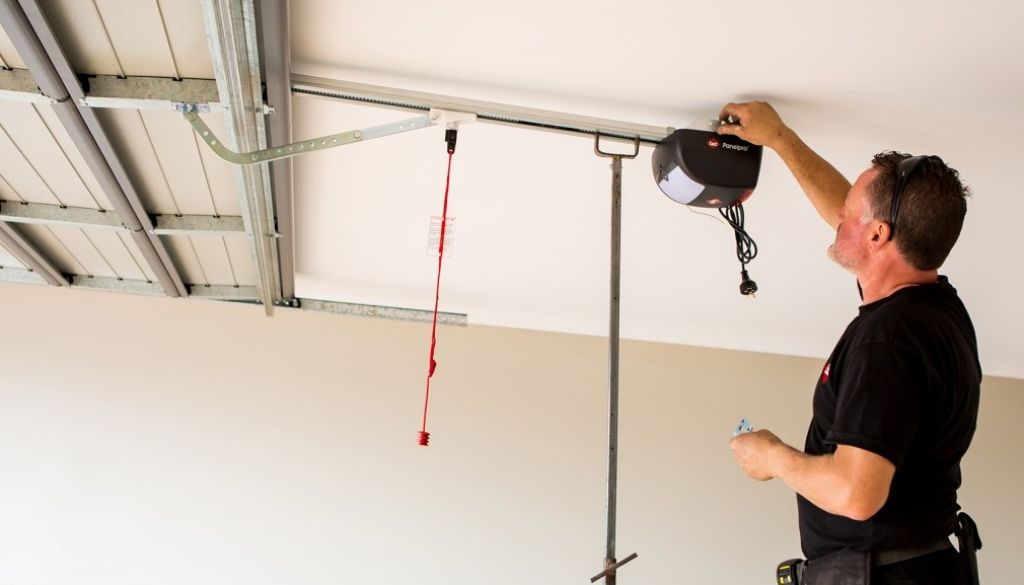
A garage door opener is one of those things you never think about until it stops working. It quietly does its job several times a day, and then one morning it grinds, hesitates, or simply refuses to respond. Knowing roughly how long an opener should last — and what shortens or extends that life — helps you plan ahead rather than scramble for a replacement at the worst possible moment.
Most garage door openers last somewhere around 10 to 15 years, though that figure shifts depending on how often you use it, how well it’s maintained, and the conditions it works in. Below we break down the typical lifespan, the factors that move the needle, the warning signs of an opener on its way out, and the simple steps that can add years to its working life. If the first sign of trouble was a handset that stopped responding, work through our garage door remote troubleshooting checklist to confirm whether the opener is genuinely at fault.
What Is the Average Garage Door Opener Lifespan?
Most quality garage door openers are built to last 10 to 15 years. Some well-maintained units comfortably exceed that, while neglected or heavily used openers can fall short.
It helps to separate the opener from the door itself. A garage door — the panels, springs and hardware — often lasts 20 to 30 years, so it’s normal to replace the opener once or even twice over the life of the door. The two simply wear at different rates.
The most accurate way to think about opener life is in cycles rather than years. One cycle is a single open-and-close, and most residential openers are rated for tens of thousands of cycles. A household that opens the door four times a day will reach that limit far more slowly than a busy family with multiple drivers coming and going. The more cycles per day, the sooner the opener reaches the end of its rated life. A struggling opener often works harder than it should because dirty tracks add resistance to every cycle, shortening its overall lifespan. To take the load off your motor, make sure you regularly clean garage door tracks safely as part of routine upkeep.
Factors That Affect Garage Door Opener Lifespan
Frequency of use. This is the single biggest factor. An opener cycling 8–10 times a day wears out years sooner than one used a couple of times a day. Homes with multiple vehicles, or that use the garage as the main entry, see the heaviest workload.
Maintenance and servicing. A well-lubricated, regularly inspected opener lasts significantly longer. Skipping maintenance lets small issues compound until the motor is straining against worn components.
Installation quality. A correctly installed and aligned opener runs with far less strain. Poor setup puts uneven load on the motor from day one.
Environmental conditions. This matters a lot on the Sunshine Coast. Salt air and high humidity accelerate rust on springs, rollers and hardware, and that corrosion makes the door harder to move — forcing the motor to work harder and age faster than it would in a drier climate.
Brand and build quality. A premium opener with a DC motor and quality components simply outlasts a basic unit. Choosing a well-built opener up front pays off in a longer service life.
Types of Garage Door Openers and Their Lifespan
Belt drive openers use a rubber belt to move the door. They’re quiet, smooth, and have fewer metal-on-metal parts to wear, so they often enjoy a long, low-maintenance life — ideal where the garage sits under a bedroom.
Chain drive openers use a metal chain and sprocket. They’re robust and hard-wearing, but noisier and a touch more maintenance-hungry, with the chain needing occasional tensioning and lubrication.
In practice, both can last well past a decade with care. Belt drives win on noise and smoothness; chain drives win on raw durability. If you’re comparing your options, our guide to garage door opener replacement walks through what suits different homes.

Signs Your Garage Door Opener Is Reaching the End of Its Lifespan
Watch for these tell-tale signs:
- Unusual noises — grinding, rattling or creaking that wasn’t there before. A harsh grinding or scraping noise can come from the opener or from the door hardware, so it’s worth diagnosing the source.
- Slow operation — a door that’s become sluggish or hesitates before moving often points to a tiring motor.
- Shaking and vibrations — excessive shaking during operation suggests worn internal components.
- Inconsistent performance — working one moment and failing the next is a classic late-life symptom.
- Age-related decline — if your opener is past 15 years and showing any of the above, it’s likely near the end.
Several of these overlap with the broader garage door motor replacement signs worth knowing, since the motor is the heart of the opener.
How to Extend the Life of Your Garage Door Opener
A little care goes a long way. To get the most years out of your opener:
- Inspect regularly. Every few months, look over the springs, rollers, cables and tracks for wear, rust or fraying.
- Lubricate moving parts. A light application of a suitable lubricant to the rollers, hinges and chain keeps everything moving freely and reduces strain on the motor.
- Keep the door balanced. A door that’s out of balance forces the opener to do extra work. If it doesn’t stay put when lifted halfway by hand, it needs adjustment.
- Schedule professional servicing. An annual service catches problems early. Booking regular garage door maintenance and servicing is the most reliable way to maximise lifespan.
- Test the safety features. Check the auto-reverse and photo-eye sensors periodically so the door reverses correctly on an obstruction.
Of all of these, balance and lubrication are the two that quietly add the most years, because both reduce the load the motor carries every single cycle.
Repair or Replace: How to Decide
When repairs make sense. If your opener is under roughly 10 years old and the fault is a single component — a gear, capacitor or sensor — repair is usually the sensible path. Our opener repair service handles most of these in a single visit.
When replacement is the better option. Aging openers with repeated breakdowns, obsolete units where parts are no longer available, or a motor that’s burnt out are better replaced. Once an aging unit starts failing again and again, replacement delivers far better reliability and peace of mind.
Benefits of replacing. A new opener brings improved efficiency, enhanced security, quieter operation and modern smart features — a meaningful upgrade over a 15-year-old unit. If your unit has started blinking its light without an obvious reason, that can be an early indicator that internal components are beginning to wear.

Benefits of Modern Garage Door Openers
If you do replace, today’s openers offer a lot more than the one they’re replacing. Smart-home integration lets you open, close and check the door from your phone, wherever you are. Rolling-code security generates a new code each time, making it far harder for anyone to intercept your signal. Modern DC motors are more energy-efficient and run noticeably quieter, and many units include battery backup so the door still works in a blackout. For a household upgrading after a decade or more, the difference in convenience and security is significant.
Can You Replace the Opener Without Replacing the Door?
In most cases, yes. The opener and the garage door are separate systems, so a new opener can usually be fitted to your existing door — provided the door is in good condition and properly balanced. This makes replacement more straightforward than many homeowners expect, since there’s no need to replace the whole door just because the motor has worn out. The main considerations are matching the new opener’s power to your door’s size and weight, and confirming the door’s springs and hardware are sound, so the new unit isn’t straining from day one. A quick assessment confirms compatibility before anything is installed.
Frequently Asked Questions
How long should a garage door opener last?
Typically 10 to 15 years, though good maintenance can push a quality unit beyond that.
What shortens the lifespan of an opener?
Heavy daily use, skipped maintenance, poor installation, and harsh coastal or humid conditions.
Can maintenance extend opener lifespan?
Yes — regular lubrication, balancing and servicing are the most effective ways to add years.
How often should an opener be serviced?
Once a year for most homes; more often for high-use households.
Should I replace my opener after 15 years?
If it’s showing warning signs at that age, replacement is usually the smarter choice than ongoing repairs.
Want to know how much life is left in your opener?
The team at Sunshine Coast Garage Door Guys is happy to take a look and give you a straight, honest answer — do it once, do it right. Our qualified technicians service all major brands including Eco, Centurion and Gliderol, back their work with a workmanship guarantee, and have earned a 5.0-star reputation right across the Sunshine Coast. Whether you need a service to extend your opener’s life, a repair, or advice on replacing an aging unit, we’ll help you get the most out of your garage door system. Call (07) 5451 8776 for a free, no-obligation quote or to book an inspection — based at Unit 104/25 Chancellor Village Blvd, Sippy Downs QLD 4556, servicing Buderim, Caloundra, Maroochydore, Mooloolaba, Noosa and surrounds.
