
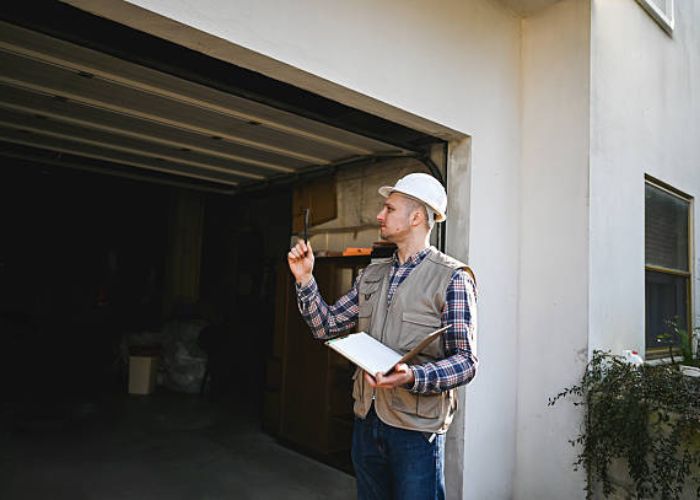
Your garage door is one of the hardest-working components of your home, opening and closing thousands of times each year while protecting your vehicles, tools, and belongings from the elements. Despite this constant use, most homeowners rarely think about their garage door until something goes wrong—often at the most inconvenient moment possible. While you’re running through your inspection, it’s also worth verifying that all remotes are correctly synced and your system is using rolling code technology — our article on remote codes and garage door security covers what to look for.
The good news is that most garage door problems give plenty of warning before they become emergencies. Regular inspections catch these early signs of trouble, allowing you to address minor issues before they escalate into expensive repairs or dangerous failures. With a simple monthly checklist and a bit of attention to detail, you can keep your garage door operating safely and reliably for years to come. When checking your rollers, don’t just look for visible wear — also confirm the stem length matches your track specification, since an incorrect size causes just as much damage as a cracked wheel; our guide to choosing the right roller dimensions walks through what the right fit looks like.
Why Regular Garage Door Inspections Are Important
Safety risks: Garage doors are heavy—a standard double door can weigh over 100 kilograms—and operate under significant spring tension. When components fail, they can cause serious injury or property damage. Frayed cables, worn rollers, or failing springs don’t just stop working; they can fail catastrophically without warning. One of the most important checks in any inspection routine is the balance test — if the door drops when released at mid-height, that is a clear sign of spring failure and the first step covered in our troubleshooting guide for a manual garage door that won’t stay open.
Preventing wear and tear: High-cycle components like springs, rollers, and cables have finite lifespans. Regular inspections help you monitor their condition and plan replacements before they fail completely. This proactive approach prevents being locked out of your garage or dealing with emergency repairs. For tips on keeping springs balanced and working safely, learn more about torsion spring care.
Cost savings: Catching a loose bracket or worn roller costs minimal time and money. Ignoring these signs until the door binds, breaks a cable, or damages the opener costs significantly more. Monthly inspections are your best insurance against expensive surprises.
How Often Should You Inspect Your Garage Door?
Monthly inspections should cover the core safety and performance items on this checklist. Set aside 15-20 minutes each month to walk through these checks systematically. Many homeowners find it easiest to schedule this with other regular home maintenance tasks. After completing your inspection, make sure your door is physically secured as well as mechanically sound — our manual pull-up door security walkthrough is the perfect follow-up read to this checklist.
Seasonal checks address climate-specific concerns. On the Sunshine Coast, seasonal considerations include checking for corrosion during humid summer months, clearing debris before and after storm seasons, and ensuring weatherstripping remains effective year-round. For guidance on checking your garage throughout the year, you can also read more about seasonal inspections on our blog
Professional servicing should occur at least annually, even if your monthly inspections reveal no problems. Professional technicians have specialized tools and training to safely inspect high-tension components, make precise adjustments, and identify issues that aren’t obvious to homeowners. If you want to understand what you’re actually inspecting for — and what the consequences look like when those checks are skipped — our article on the warning signs of a dangerous garage door puts each item on this checklist into context.
Visual Inspection of Garage Door Panels & Hardware
Start your monthly inspection with the door closed, examining it from the outside. During your hardware check, give each hinge a close look for any signs of deformation or cracking — if you’re spotting damage that keeps coming back, our guide on why garage door hinges bend repeatedly walks through the most common system-level causes behind recurring hinge failure.
Door panels: Look for dents, cracks, rust spots, or peeling paint on metal doors. These aren’t just cosmetic issues—they can indicate structural damage or corrosion that weakens the door. For timber doors common in some Sunshine Coast properties, check for rot, warping, or termite damage. Address surface issues promptly to prevent further deterioration.
Hardware check: Inspect all visible bolts, screws, and brackets. Look for loose fasteners, missing hardware, or components showing rust or damage. Check the mounting brackets where the track system attaches to your garage structure—these carry significant load and must remain secure.If your safety test fails or the door behaves unpredictably, our article on common causes of a reversing garage door explains what to check next.
Inspect Rollers, Hinges & Struts
With the door still closed, examine the visible rollers and hinges along the sides. When working through your visual checks, keep an eye on the panel line from inside the garage — any tilt or bow on one side is an early warning worth acting on, and our guide on garage door panel sagging causes and fixes gives you a clear framework for what to look for and when to call a technician.
Roller condition: Look at the rollers for wear, cracks, or chips in the roller material. Metal rollers should turn smoothly in their bearings without wobbling or grinding. Nylon rollers (quieter and increasingly common) should show no cracks or missing pieces. Worn rollers cause jerky movement, increased noise, and accelerated wear on other components.
Hinges: Check each hinge for tight bolt connections and proper alignment. Hinges shouldn’t show excessive wear or metal-on-metal friction marks. If you notice shiny wear spots or elongated holes around hinge bolts, those hinges may need replacement.
Struts: Horizontal struts running across garage door sections provide structural support, particularly on wide double doors. Check that struts are straight, securely fastened, and show no cracks or bending.
Check Tracks, Brackets & Alignment
Track condition: Examine the vertical and horizontal tracks on both sides for dirt buildup, dents, warping, or cracks. The tracks should be clean and straight. Use a damp cloth to wipe away accumulated dust and debris that can interfere with smooth operation.
Mounting brackets: Verify that the brackets securing tracks to your walls and ceiling remain tight and properly aligned. Any looseness here affects door movement and can lead to binding or derailment.
Door movement test: Operate the door manually (disconnect the automatic opener first) and watch its movement carefully. The door should travel smoothly without binding, scraping, or tilting to one side. Uneven movement indicates track misalignment or other mechanical problems requiring professional adjustment.
Inspect Cables & Drums (Do Not Touch)
Critical safety warning: Garage door cables and drums are under extreme tension and can cause severe injury if handled improperly. Never attempt to adjust, repair, or touch these components yourself.
From a safe distance, visually inspect the cables running along both sides of the door. Look for fraying, broken strands, or kinks in the cable. Check the drums (the wheels the cables wind around) for cracks, warping, or excessive wear.
If you notice any cable damage or if cables appear slack when the door is fully closed, contact a professional immediately. Operating the door with damaged cables is extremely dangerous.
Test Garage Door Balance & Force
Balance test: Disconnect the automatic opener by pulling the emergency release cord with the door closed. Manually lift the door halfway and release it. A properly balanced door should stay in place or move only slightly. If it drops or shoots upward, the spring tension is incorrect—a professional adjustment is needed.
An unbalanced door forces your opener motor to work harder, shortening its lifespan and potentially failing safety tests. The springs counterbalance the door’s weight, making it easy for the motor (or you) to lift. Incorrect tension means either the springs are wearing out or were never properly adjusted.
Force resistance: When manually operating the door, it should move smoothly without requiring excessive force. If you’re struggling to lift the door or it feels unusually heavy, spring tension may be insufficient.

Lubricate Moving Parts
Proper lubrication reduces friction, noise, and wear on moving components.
What to lubricate: Apply silicone-based garage door lubricant to rollers (focusing on the bearings, not the tracks they roll in), hinges, springs, and any exposed bearings or chains. A light application is sufficient—excess lubricant attracts dirt and creates messy buildup.
What not to use: Never use WD-40 as a lubricant. While excellent for displacing moisture or loosening stuck parts, it’s too thin for lasting lubrication and actually attracts dirt. Always use proper garage door lubricant or silicone spray.
What not to lubricate: Do not lubricate the tracks themselves. Lubricant in tracks accumulates dirt and grime, interfering with smooth roller movement rather than helping it.
Inspect & Test Safety Features
Modern automatic garage door openers include several safety features mandated by Australian standards.
Auto-reverse test: Place a solid object (like a piece of timber or a brick) in the door’s path and activate it to close. When the door contacts the object, it should immediately stop and reverse to fully open. If it doesn’t reverse promptly, or if it continues pressing down, the safety system requires immediate professional attention. To understand what your sensor lights mean and what to do, read more about checking garage door sensors.
Photo-eye sensors: Most doors have sensors near the floor on each side of the opening. These create an invisible beam—breaking the beam while the door closes triggers immediate reversal. Clean the sensor lenses with a soft cloth and verify they remain properly aligned. Wave your hand through the beam while closing the door to confirm the sensors trigger reversal. If you want tips on keeping your sensors properly aligned, check out our guide on garage door sensor maintenance.
Never bypass or disable safety features, even temporarily. They’re your protection against serious injury.
Check Weather Seals & Clearance
Bottom seal: Inspect the rubber seal along the bottom edge of your door for cracks, brittleness, tears, or sections pulling away from the door. This seal prevents water, dust, and pests from entering while improving energy efficiency. Replace seals showing significant wear.
Side seals: Some doors include seals along the vertical edges where the door meets the frame. Check these for similar signs of deterioration.
Ground clearance: When fully closed, the bottom seal should compress slightly against the garage floor without significant gaps. The door shouldn’t scrape the ground during operation. Uneven contact often indicates door imbalance or foundation settling.
Test Garage Door Opener, Remotes & Keypads
Remote responsiveness: Test each remote control for consistent operation. Intermittent response often indicates low batteries or signal interference. Replace batteries annually as preventive maintenance, even if remotes still work.
Wall button: Test the wall-mounted control button inside your garage. Ensure any lock or vacation mode features engage and disengage properly.
Keypad access: If you have an external keypad, verify code entry works reliably and consider changing your access code annually for security.
Seasonal Garage Door Inspection Considerations
Summer on the Sunshine Coast: High humidity and heat can accelerate corrosion, particularly on coastal properties. Check for rust spots more frequently and ensure lubrication hasn’t dried out. Inspect weatherstripping for heat-related brittleness.
Wet season considerations: After heavy rain or storms, check for water infiltration, inspect weather seals, and look for debris accumulation in tracks. Verify drainage around your garage prevents water pooling against the door.
Cooler months: Although the Sunshine Coast has mild winters, temperature variations still affect garage door performance. Check that weatherstripping maintains flexibility and effectiveness.

When to Call a Professional Garage Door Technician
Some situations require professional expertise:
- Any issues involving cables, springs, or drums
- Persistent noise or jerky movement after cleaning and lubrication
- Failed safety feature tests
- Door balance problems
- Track misalignment or damage
- Opener malfunctions beyond simple battery replacement
- Any situation where you’re uncertain about safety or proper function
For comprehensive garage door inspections and professional servicing throughout the Sunshine Coast region, contact Sunshine Coast Garage Door Guys on (07) 5451 8776. Their qualified technicians provide thorough safety inspections and can address any issues identified during your monthly checks. For more insight into common garage door problems and how to spot them early, see our post about troubleshooting operational issues.
Frequently Asked Questions
How often should I inspect my garage door?
Perform a basic visual and functional inspection monthly, setting aside 15-20 minutes to work through your checklist systematically. This monthly routine catches most developing problems before they become serious. Additionally, schedule professional servicing annually, even if your monthly inspections reveal no obvious issues. Professional technicians have specialized tools to safely inspect high-tension components like springs and cables, make precise adjustments, and identify subtle problems homeowners might miss. Properties in demanding environments—coastal areas with salt exposure, high-use commercial doors, or locations with extreme weather—may benefit from more frequent professional servicing.
What parts of a garage door are unsafe to inspect myself?
Never attempt to inspect, adjust, or repair springs, cables, or drums yourself. These components operate under extreme tension—enough to cause severe injury or death if handled improperly. Torsion springs can carry over 200 kilograms of force, and improper handling can result in springs violently uncoiling. Cables under tension can cause similar injuries if they snap or come loose. Visual inspection from a safe distance is acceptable, but any repair, adjustment, or close examination must be left to qualified professionals with proper training and specialized tools. Additionally, avoid working on track alignment, structural repairs, or electrical components of the opener system.
Why does my garage door fail the balance test?
A garage door failing the balance test indicates incorrect spring tension—the springs aren’t properly counterbalancing the door’s weight. This happens for several reasons: springs wearing out over time (they have finite lifespans of 10,000-15,000 cycles typically), one spring broken or failing while the other still functions, improper initial installation with incorrect spring tension, or springs adjusted for a different door weight. Unbalanced doors strain your opener motor significantly, potentially causing premature motor failure and increased energy consumption. The balance issue requires professional spring adjustment or replacement—never attempt this yourself due to the extreme tension involved.
Should garage doors be professionally serviced every year?
Yes, annual professional servicing is strongly recommended for all garage doors, even those performing well during your monthly inspections. Professional technicians conduct comprehensive safety evaluations beyond what homeowners can safely perform, including spring tension testing and adjustment, cable inspection and replacement if needed, track alignment verification and correction, opener force limit testing and calibration, and safety feature verification and adjustment. They also use specialized tools to detect issues not obvious during basic inspections. Annual servicing typically costs far less than emergency repairs and significantly extends your door’s lifespan while maintaining optimal safety standards.
Can I perform all items on the inspection checklist myself?
Most inspection checklist items are safe for homeowners to perform—visual checks of panels and hardware, roller and hinge inspection, track cleaning, weather seal assessment, lubrication of accessible parts, safety feature testing, and manual operation testing. However, you should never attempt certain tasks yourself: spring adjustment or replacement, cable repair or adjustment, track realignment requiring disassembly, structural repairs to the door assembly, or electrical work on the opener system. If your inspection reveals problems in these areas, contact professionals immediately. The DIY portion of your monthly checklist helps you identify issues early, while professional servicing ensures problems are resolved safely and correctly.
Protect Your Investment with Regular Inspections
A monthly garage door inspection checklist is one of the simplest, most effective ways to maintain your home’s safety and prevent expensive repairs. Most items take just minutes to check, and the peace of mind knowing your garage door is operating safely and reliably is invaluable.
Remember that your monthly inspections complement professional servicing—they don’t replace it. Think of your monthly checks as monitoring for early warning signs, while annual professional servicing provides comprehensive evaluation and maintenance beyond what homeowners can safely accomplish.
For expert garage door inspections, maintenance, and repairs throughout the Sunshine Coast region, contact Sunshine Coast Garage Door Guys on (07) 5451 8776 or email [email protected]. Their experienced technicians provide thorough safety inspections, comprehensive servicing, and practical advice about keeping your garage door in optimal condition year-round.
