
It’s a common question homeowners ask when a garage door starts acting up: can I remove the upper door track without releasing the spring? Whether you’re trying to replace a bent track, do a bit of DIY maintenance, or simply troubleshoot a frustrating door that won’t open properly — you’ve probably wondered if you can skip a step. After completing track work, always test the full system before closing up — and if the opener fails to respond correctly once the door is reassembled, run through the opener reset and remote re-sync process to rule out any pairing issues triggered during the repair.
The short answer is no. Attempting to remove the upper track while the spring is still under tension is one of the most dangerous things you can do around your garage. Here’s exactly why — and what the safe process actually looks like.
Understanding What the Upper Track Actually Does
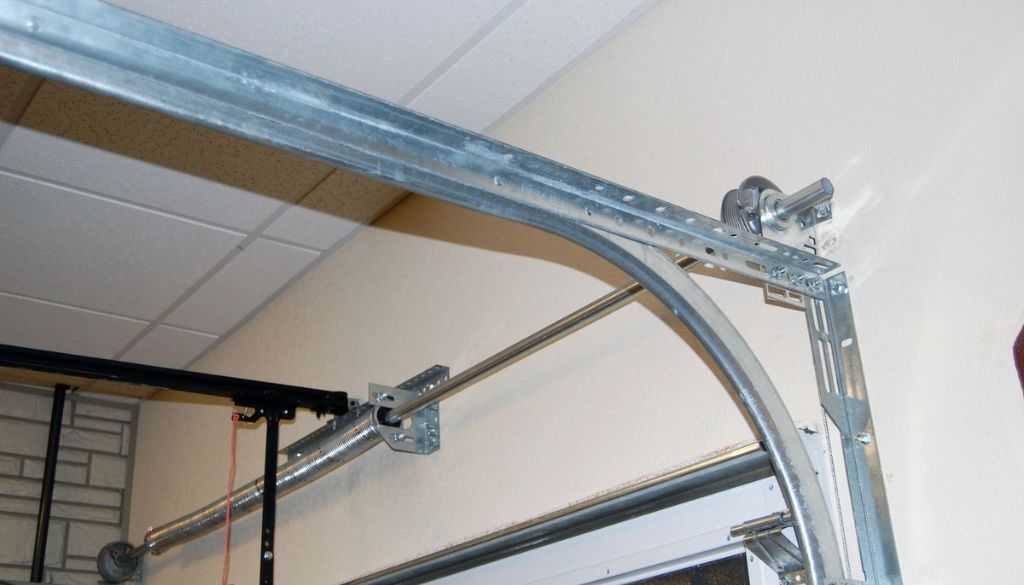
Before we get into the safety side, it helps to understand the role of the upper track in your garage door system. The upper horizontal track connects to the vertical track at the top of the door opening and extends back along the ceiling. It guides the rollers as the door transitions from vertical (closed) to horizontal (open).
The upper track works in direct coordination with the garage door spring system. If you have a torsion spring (mounted above the door on a horizontal bar), or extension springs (running along the horizontal tracks on either side), the springs are constantly counterbalancing the door’s weight.
This counterbalancing is what allows you to lift a heavy door with minimal effort. Remove that balance — or disrupt the track while tension is still loaded — and the entire system becomes unpredictable and dangerous.

Why You Cannot Remove the Upper Track Without Releasing the Spring
1. Springs store enormous energy
Garage door springs are under significant mechanical tension. A torsion spring is wound tightly around a metal bar and can store hundreds of foot-pounds of torque. Extension springs are stretched under the full weight of the door.
If you attempt to unbolt or shift the upper track while the spring is still loaded, you risk releasing that tension suddenly and without control. A torsion spring that snaps or unwinds violently can send components flying at high velocity. Extension springs can launch themselves across the garage if they lose their attachment point.
2. The door becomes a dead weight
The spring system isn’t just a convenience — it’s what prevents the door from slamming shut under its own weight. Garage doors typically weigh between 40 and 100+ kilograms depending on the material and size.
Without the spring tension providing counterbalance, the door becomes a massive, uncontrolled weight. If the door drops unexpectedly during track removal — even slightly — it can crush hands, damage the floor, bend other components, or injure anyone nearby.
3. Track misalignment and structural damage
Removing the upper track while the spring is still tensioned also puts stress through the wrong parts of the system. The rollers and hinges aren’t designed to hold the door’s full weight at that angle. You risk bending the tracks, damaging the roller brackets, or cracking hinges — turning what started as a minor fix into a much more expensive repair.
If you’ve been noticing your garage door coming off track, the issue often starts with these small compromises in the track and roller system.
The Safe Process for Removing the Upper Door Track
If you do need to remove the upper track — for replacement, repair, or adjustment — here is the correct sequence to follow. Only proceed if you have the proper tools and experience. If you’re uncertain at any point, stop and call a professional.
Step 1: Secure the door in the closed position
Start with the door fully closed. Using locking pliers or C-clamps, secure the door to the vertical track on both sides below the bottom roller bracket. This prevents the door from moving while you work. Do not attempt this with the door open or partially raised.
Step 2: Disconnect the automatic opener
If you have a motorised opener, pull the emergency release cord (usually a red handle hanging from the rail) to disconnect the door from the opener carriage. Then unplug the opener unit from the power outlet. You don’t want any accidental activation while you’re working.
Step 3: Release spring tension safely
This is the critical step — and the one most DIYers skip or underestimate. The method differs depending on your spring type:
- Torsion springs: These require specialist winding bars — metal rods inserted into the winding cone on the spring. You unwind the spring in small, controlled increments (usually quarter turns), working slowly and carefully. Never use a screwdriver, piece of rebar, or improvised tool for this.
- Extension springs: These must be released by opening the door fully (raising it manually while clamped) and then clamping the door in the open position so the springs are slack. Safety cables must be installed through the extension springs before removal — this prevents the spring from launching if it breaks.
Step 4: Verify full tension release
Before touching the track, verify the spring is fully depressurised. For torsion springs, there should be no remaining tension on the winding cone. For extension springs, the spring should hang loosely with no stretch. Do not rush this verification.
Step 5: Remove the track hardware
With the spring fully released and the door secured, you can now safely unbolt the upper horizontal track from its brackets and hangers. Work methodically, supporting the track as you remove each fastener to prevent it from dropping. Note the position and angle of the track before removal — reinstallation alignment is critical to smooth, safe door operation.
When DIY Track Removal Is and Isn’t Appropriate
- Lower section adjustments (rollers, brackets): Lower-risk, but still requires the door to be secured and power disconnected.
- Track realignment (minor bends): Can sometimes be done with basic tools after securing and disconnecting the opener, but spring release is recommended.
- Full track replacement: Always requires proper spring release and is best left to professionals unless you have direct experience with garage door spring systems.
- Spring replacement itself: This is always a professional job. Do not attempt to replace torsion or extension springs yourself without proper training and tools.
The garage door track removal process involves precise steps that vary depending on your door type, spring configuration, and track system design.

Recognising Signs Your Upper Track Needs Attention
- The door sticks, hesitates, or makes grinding noises when opening or closing
- The door opens unevenly — one side higher than the other
- You can see visible bending, rust, or damage along the horizontal track
- Rollers are jumping out of the track or leaving black marks
- There’s a gap between the roller and the track
Frequently asked questions
Can I remove the upper track with the door open?
No. With the door open, the springs are under maximum tension — making it even more dangerous than attempting removal with the door closed. Always work with the door fully closed and clamped before touching any track or spring components.
How long does it take a professional to remove and replace an upper track?
For a qualified technician, a straightforward upper track replacement typically takes between 45 minutes and 1.5 hours. More complex jobs — such as those involving damaged brackets, worn rollers, or spring adjustment at the same time — may take longer.
What tools are needed to safely release a torsion spring?
Proper winding bars are essential — these are solid steel rods that fit precisely into the winding cone on the spring. You’ll also need a sturdy ladder, locking pliers or C-clamps to secure the door, and safety glasses. Do not improvise with screwdrivers or other tools; they can slip under load and cause serious injury.
Is it safe to ben a slightly warped upper track back into shape instead of replacing it?
Minor bends can sometimes be straightened using a rubber mallet and a level, but this only works for very slight deformations. If the track is significantly bent, kinked, or cracked, replacement is the safer option — a compromised track puts extra stress on rollers and hinges and can cause the door to jump the track entirely.
How much does upper door track replacement cost on the Sunshine Coast?
Costs vary depending on the track type, door size, and whether additional components (rollers, brackets, springs) need attention at the same time. The best way to get an accurate figure is to call Sunshine Coast Garage Door Guys on (07) 5451 8776 for a free, no-obligation quote specific to your door and situation.
Get a professional assessment from Sunshine Coast Garage Door Guys
If you’re dealing with a damaged or misaligned upper track, a faulty spring, or a garage door that isn’t running smoothly, the team at Sunshine Coast Garage Door Guys is here to help.
We service all suburbs across the Sunshine Coast region — from Buderim and Maroochydore to Caloundra and Noosa. Our qualified technicians carry the right tools and parts to handle track repairs, spring replacement, roller upgrades, and same-day emergency service.
Call us on (07) 5451 8776, email [email protected], or visit sunshinecoastgaragedoorrepairs.com.au to request a free quote. We do it once, we do it right.
