
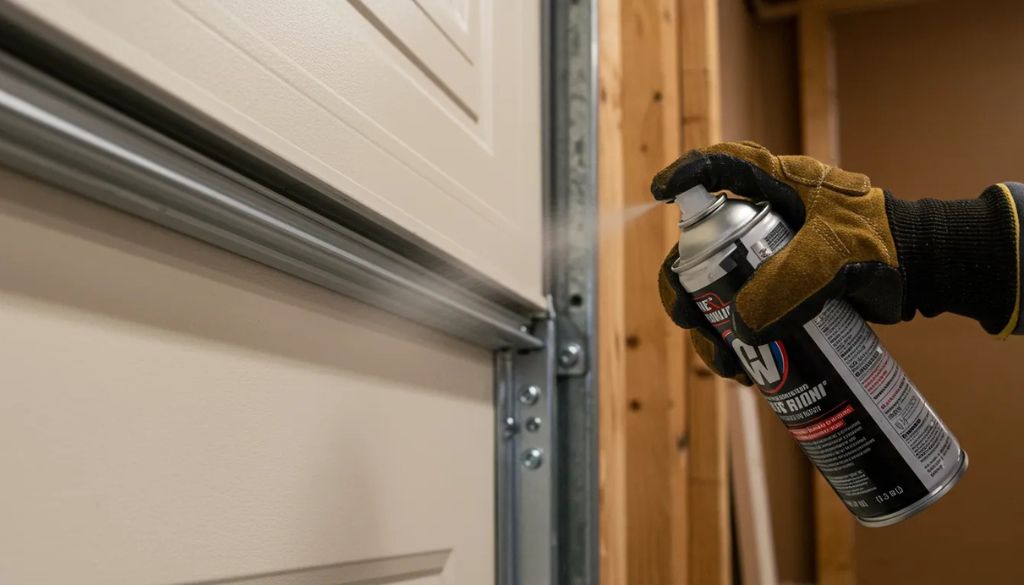
The short answer: yes, every six months is a solid rule of thumb for most locks — but the right schedule depends on the type of lock, its location, and how much use it gets. Here’s everything you need to know. Regular lubrication is one of the best things you can do to extend the life of your hardware, and that includes your springs — if you’ve skipped maintenance for a while, it’s a good idea to review the warning signs of spring failure so you know what to look out for before your next service.
Why Lubrication Matters for Lock Longevity
A lock is a precision mechanical device. Inside the cylinder, tiny pins, springs, and tumblers must move freely every time you insert and turn a key. Over time, dust, dirt, moisture, and general wear cause these components to stiffen, bind, or corrode. While you’re working through your lock lubrication routine, take a moment to check the panel joints at the same time — our guide on hinge wear and early failure signs explains exactly what to look for during any routine maintenance visit.
When a lock goes without lubrication:
- Keys become hard to insert or turn
- Pins and springs wear out prematurely
- Corrosion takes hold, especially in coastal or humid environments
- Locks can seize completely, leaving you locked in or out
On the Sunshine Coast, where salt air, humidity, and subtropical heat are part of daily life, locks — particularly external ones — face conditions that accelerate deterioration far faster than in a dry, temperate climate. This makes regular lubrication not just a recommendation but an essential part of protecting your property hardware.
How Often Should You Lubricate Different Types of Locks?
Not all locks need the same attention. Here’s a practical breakdown:
Indoor Locks (Every 6–12 Months)
Interior door locks — bedroom doors, bathroom doors, internal storage rooms — are sheltered from weather and rarely exposed to grime or moisture. For these, a light lubrication once or twice a year is more than sufficient. If the lock operates smoothly and the key turns without resistance, you can comfortably go the full 12 months between treatments.
Outdoor and External Locks (Every 3–6 Months)
Front door deadbolts, side gate padlocks, garage door entry locks, and any lock exposed to the elements need more frequent care. Rain, morning dew, coastal salt air, UV heat, and windblown dust all take a toll. On the Sunshine Coast specifically, the combination of humidity and salt particulates means external locks can deteriorate quickly without regular attention.
Aim for every three to four months as a minimum. If you notice any stiffness or squeaking, treat it immediately rather than waiting for the next scheduled maintenance — and consider pairing lock care with your seasonal garage door maintenance routine.
High-Use Locks (As Needed)
A lock that gets used dozens of times a day — such as a busy business entrance, a rental property front door, or a workshop that multiple people access — will wear faster than a residential lock that sees light use. Lubricate as soon as you notice any stiffness, rather than waiting for a scheduled interval. Prevention is always cheaper than replacement.
Vehicle Locks (Every 6 Months)
Car door and boot locks are often forgotten, but they benefit from the same 6-month treatment cycle. Vehicles parked outdoors on the Sunshine Coast, near the beach or in exposed carparks, should be treated more frequently — especially the driver’s door lock, which sees the heaviest use.

What to Use: Choosing the Right Lubricant
Using the wrong product is almost as bad as using nothing. Many people reach for whatever is under the sink — and that’s where problems start.
Recommended: Dry Lubricants
- Graphite powder: The traditional choice for keyways. Graphite coats the internal components without attracting dust or gumming up. Apply sparingly — a little goes a long way.
- Specialist lock sprays (e.g., Teflon-based): Fast-drying, leave a dry film, and are widely available at hardware stores. Ideal for both keyways and exterior lock bodies.
- Inox (light oil-based): Particularly useful for coastal and high-humidity environments like the Sunshine Coast. Inox provides longer-lasting protection against salt air corrosion. Apply carefully and wipe away any excess to prevent attracting debris.
What to Avoid
- WD-40 in the keyway: WD-40 is a water displacer and degreaser, not a true lubricant. It can temporarily free a stuck lock but leaves behind a residue that attracts dirt and leads to worse binding over time. It’s fine for external lock body corrosion, but never apply it inside the cylinder.
- Engine oil or grease: These heavy lubricants coat the internal pins and attract dust and grime aggressively, creating a sticky, grit-filled paste inside the mechanism.
- Cooking sprays or household oils: These break down quickly, attract insects and bacteria, and can corrode brass or zinc lock components.
Step-by-Step: How to Lubricate a Lock Properly
The process takes less than five minutes and requires minimal tools. Here’s how to do it right:
- Clean first. Use a can of compressed air to blow dust, grit, and old lubricant residue out of the keyway. For badly gunked locks, a cotton swab dipped in isopropyl alcohol can help clean the keyway opening before you start.
- Apply the lubricant. Insert the nozzle of your lock spray or a small amount of graphite powder directly into the keyway. Less is more — over-applying leads to excess residue.
- Work the key. Insert your key and turn it back and forth several times to distribute the lubricant throughout the internal mechanism. Remove the key and wipe the blade clean.
- Lubricate the bolt and strike plate. Apply a small amount of lubricant to the deadbolt or latch bolt and the strike plate area where metal contacts metal. This prevents drag when the door closes.
- Check the door alignment. A lock that continues to feel stiff after lubrication may have an alignment issue rather than (or as well as) a dry mechanism. Misaligned doors cause binding that no lubricant can fix.
- Protect from weather. For external locks, consider installing a lock cover or weather shield to reduce direct exposure to rain and salt air between maintenance cycles.
Coastal Sunshine Coast Conditions: Why Your Locks Need Extra Attention
Living on the Sunshine Coast is wonderful — but salt-laden coastal breezes are genuinely punishing to metal hardware. Brass, zinc die-cast, and even stainless steel components inside locks can corrode faster than manufacturers’ standard ratings predict when exposed to the coastal environment.
If your property is within a few kilometres of the beach or in an elevated, wind-exposed location:
- Shorten your outdoor lock lubrication cycle to every 2–3 months
- Use an Inox or similar salt-resistant lubricant formula
- Inspect locks visually each month — early corrosion spots are easy to treat, advanced corrosion usually means replacement
- Consider marine-grade padlocks for any outdoor applications where exposure is extreme
The same logic applies to your garage door hardware — springs, rollers, hinges, and cables all benefit from routine attention. If you’re unsure whether your garage system is showing signs of wear, the team at Sunshine Coast Garage Door Guys offer inspections and maintenance servicing across the entire Sunshine Coast region. Call (07) 5451 8776 to book a check-up.
When to Call a Professional
There are situations where lubrication alone isn’t enough — and attempting DIY fixes can make things worse or create security vulnerabilities. Call a qualified professional when:
- A key is stuck or broken inside the lock. Forcing it will cause further damage to the cylinder. A professional can extract the key without destroying the mechanism.
- The lock remains stiff after lubrication. This usually indicates worn internal components, misalignment, or a damaged cylinder that needs repair or replacement.
- Visible corrosion or physical damage is present. Surface rust on the exterior is cosmetic; corrosion inside the cylinder compromises security and smooth operation.
- You’ve recently moved house. Previous owners or tenants may still have keys. Rekeying or replacing locks is a standard security step that a locksmith can complete quickly.
- Your garage door lock is malfunctioning alongside other door hardware issues. Sometimes what looks like a lock problem is actually a garage door opener or spring issue that’s preventing the door from seating correctly in the frame.
Professional servicing doesn’t just fix the immediate problem — it also gives a trained eye the chance to spot wear and developing faults before they become emergencies.

Setting Up a Simple Lock Maintenance Schedule
The easiest way to stay on top of lock care is to tie it to something you already do regularly. Some suggestions:
- Pair lock lubrication with your bi-annual smoke alarm battery check (March and September work well in Queensland).
- Add it to your spring clean and end-of-year home maintenance checklist.
- Set a phone reminder every 3 months for external and coastal-exposed locks.
A single lubrication session covering all the locks in a standard home takes under 20 minutes and costs next to nothing. Compare that with the cost of a locksmith call-out for a seized lock, or the price of replacing corroded hardware — and the value of the habit becomes obvious. While you’re attending to locks, it’s also worth doing a quick visual check of your garage door springs and cables for any early warning signs.
The Bottom Line
Yes — you are supposed to lubricate locks, and every 6 months is a solid starting point. For indoor locks in protected environments, that cadence is perfectly adequate. For outdoor locks, coastal properties, high-use locks, and vehicle locks, more frequent care — every 3 to 4 months — keeps hardware performing reliably and extends its useful life significantly.
Use a dry lubricant like graphite powder or a Teflon-based spray for keyways, avoid WD-40 inside cylinders, clean before you lubricate, and always check for alignment issues if stiffness persists after treatment.
And if you’re ever unsure whether a sticking lock is a lubrication issue or something more serious, the team at Sunshine Coast Garage Door Guys is available to help. Servicing the entire Sunshine Coast region with qualified technicians and a commitment to “Do it Once, Do it Right,” we’re your local experts for all garage door and gate hardware maintenance. Call us on (07) 5451 8776 or visit sunshinecoastgaragedoorrepairs.com.au to get a free quote today.
Frequently Asked Questions
Can I use WD-40 to lubricate a stiff lock?
How do I know if my lock needs lubrication?
The most obvious signs are a key that’s harder than usual to insert or turn, a lock that feels gritty or sticky, or a latch bolt that drags when the door closes. You don’t need to wait for stiffness to appear — scheduling lubrication every 6 months (or every 3 months for outdoor and coastal locks) means you’re maintaining the mechanism before wear sets in rather than reacting to a problem.
Do garage door locks need lubrication too?
Yes — garage door locks, especially manual T-bar and side locks on roller doors, are often exposed to the elements and overlooked during routine maintenance. On the Sunshine Coast, where coastal humidity and salt air accelerate corrosion, these locks should be lubricated every 3 to 4 months. The team at Sunshine Coast Garage Door Guys can inspect and service your full garage door system, including lock hardware, as part of a single maintenance visit.
My lock is still stiff after lubrication — what’s wrong?
Persistent stiffness after lubrication usually points to one of two things: a misaligned door or frame causing the bolt to bind against the strike plate, or internal wear and damage inside the cylinder itself. Check whether the door sits squarely in the frame when closed — if it’s sagging or warped, no amount of lubricant will fully resolve the sticking. If alignment looks fine, the cylinder may need professional inspection or replacement.
Is lubricating locks a DIY job or should I call a professional?
Routine lubrication is a straightforward DIY task that most homeowners can handle in under 20 minutes with a can of lock spray or graphite powder. However, if your lock remains stiff after treatment, a key has broken inside the cylinder, or you can see visible corrosion or physical damage, it’s time to call a professional. Attempting to force a damaged lock can cause further harm — and in some cases compromise your home’s security.
