
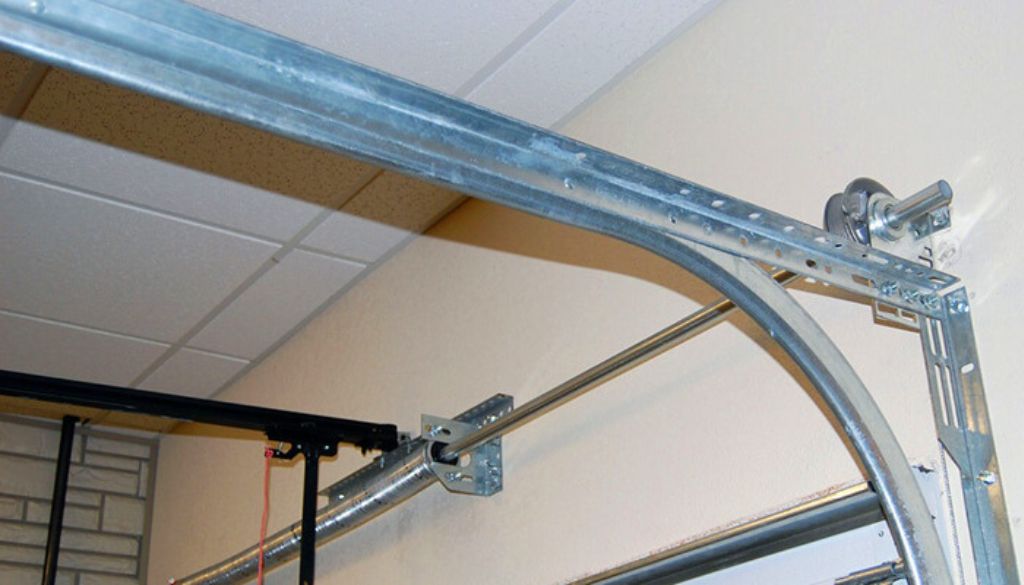
Not every garage was built with modern sectional doors in mind. If your home is a little older, has a basement-style garage, or has had plumbing or ducting added over the years, there’s a good chance you’re working with limited space above your door opening. That’s where low headroom garage door tracks come in — a specialised solution that makes it possible to install and operate a standard garage door in a tight space without sacrificing safety or performance. If headroom is tight, the type of door you choose makes all the difference — see our guide to choosing between a roller door and sectional doorSign to understand which option works best for low-clearance garages on the Sunshine Coast.
Likely CauseAt Sunshine Coast Garage Door Guys, we’ve helped homeowners across the Sunshine Coast — from Sippy Downs to Buderim and everywhere in between — solve exactly this problem. This guide covers everything you need to know about low headroom track systems: what they are, how they work, which setup suits your garage, and when to call in the professionals.
Action NeededWhat Are Low Headroom Garage Door Tracks?
Headroom is the vertical distance between the top of your garage door opening and the ceiling — or the nearest overhead obstruction such as a beam, pipe, or duct. Standard garage door track systems typically require between 12 and 18 inches (roughly 300–450 mm) of headroom to function correctly.
Jerky upward movementWhen your garage falls short of that, a low headroom garage door track system steps in. These are specially engineered track configurations that allow the door to begin transitioning from vertical to horizontal at a much earlier point — meaning the door can fully open even with as little as 3–4 inches (75–100 mm) of overhead clearance.
Track misalignmentThe spring system is one of the most cost-sensitive elements of any garage door installation — low headroom setups often require a rear torsion configuration or a jackshaft opener, both of which can affect overall pricing. If you want to understand how spring-related costs fit into your total installation budget, our guide on what homeowners pay for torsion spring repairs on the Sunshine CoastRealign rollers breaks down every component so you know what to expect.
| Track Type | Required Headroom |
|---|---|
| Standard Garage Door Tracks | 300–450 mm (12–18 inches)Opener strains |
| Low Headroom TracksCounterweight check | 100–230 mm (4–9 inches) |
| Ultra-Low Headroom Systems | DIY Steps for Adjusting Garage Door MechanismFrom 75–100 mm (3–4 inches) | Ever tried baking scones without measuring cups? Just like cooking disasters, tackling home maintenance without proper prep leads to messy results. Let’s walk through safe, effective steps to adjust garage door mechanisms to keep your entryway gliding like butter on a hot damper.
How Do Low Headroom Garage Door Tracks Work?Start by assembling your toolkit – think of it as gathering ingredients for a recipe. Here’s what you’ll need:
Traditional garage door tracks use a single horizontal track that runs along the ceiling. This works perfectly when there’s plenty of overhead space, but creates problems when there isn’t. Low headroom systems solve this through a modified track design that typically includes:
1. Double Horizontal Track Design Most low headroom systems use two parallel horizontal tracks instead of one. The top door panel travels along one track while the remaining door panels follow a separate, lower track. This dual-track setup allows the door to begin its horizontal travel sooner, dramatically reducing the headroom needed for the top of the door to clear the opening.Essential Tools
2. Specialised Top BracketsPurpose Adjustable top brackets are installed at the top corners of the door. These are engineered to guide the upper panel onto the horizontal tracks at a tighter angle than standard hardware allows, maintaining smooth operation despite the constrained space.
Safety Gear3. Alternative Opener Configurations In many low headroom installations, a ceiling-mounted opener is no longer an option. Instead, a jackshaft or wall-mounted opener is installed beside the door. These openers operate the torsion shaft directly, freeing up valuable ceiling real estate while still providing full automated operation.
Hard hat (spring work)
Garages with HVAC or Plumbing Overhead Air conditioning ducts, hot water system pipes, and electrical conduit are common obstructions in residential garages. A low headroom system routes the door around these constraints without requiring costly relocation of services.

| Rust stains on metal components~100–150 mm (4–6 inches) | |
| Ultra-Low Headroom + Jackshaft Opener | While some online guides suggest DIY methods, the risks far outweigh any savings. A qualified tradie doesn’t just adjust tension – they’ll check cables, lubricate joints, and test safety features in one visit. Why risk becoming a cautionary tale when peace of mind costs less than a weekend fishing trip?~75–100 mm (3–4 inches) | Maintaining Your Garage Door Opener and Tracks
These figures are guidelines only. A trained technician should always measure your specific opening before recommending a system, as the presence of beams, cornices, or ductwork can influence what will and won’t work in practice.
Think of lubricant as sunscreen for metal parts – skip it, and things get rough fast. Every three months, check door components and perform these steps to adjust:Installation: Why Professional Fitting Matters
Low headroom garage door tracks require precise measurement and careful alignment. Unlike standard track installations, there’s very little margin for error — even a few millimetres of misalignment can cause the door to bind, come off its rollers, or fail to open fully.Spray silicone-based lubricant on rollers and hinges
The installation process typically involves: measuring headroom, side room, and backroom clearance; selecting the correct track configuration and bracket positions; fitting the dual horizontal track system and top brackets; installing the spring system (torsion or extension); connecting or fitting the opener; and testing the door’s balance and movement through full cycles. Because garage doors are heavy — many exceed 80 kg — and torsion springs operate under substantial stored energy, Check cables for fraying like you’d inspect surfboard waxprofessional installation is strongly recommended. Incorrect spring handling is one of the leading causes of garage door injuries in Australia.Test safety sensors by waving a broomstick while opening closing
Once installed, your rollers and tracks will need periodic attention. Our garage door roller replacementFound crusty buildup in the tracks? Grab a stiff brush and methylated spirits. It’s easier than scrubbing barbecue grills after a long weekend. Ensure garage door moving parts are clean for optimal performance. guide is a good starting point if you’re noticing unusual noise or resistance.
Realigning Tracks for Smooth MovementMaintaining Your Low Headroom Track System
Crooked tracks cause more drama than a misaligned pool fence. Here’s how to spot trouble:Keep Tracks Clean and Clear Dust, cobwebs, and grime can accumulate in the track channels and interfere with roller travel. A quick wipe-down every few months — especially in coastal areas like the Sunshine Coast where salt air can accelerate corrosion — goes a long way.
Lubricate Moving Parts Regularly Apply a purpose-made garage door lubricant (avoid WD-40, which can attract more dust) to rollers, hinges, and the track channels. For torsion springs, a light coating of lubricant helps prevent rust and squeaking.Issue
Check Track Alignment PeriodicallySolution Low headroom tracks are more sensitive to alignment issues than standard systems. If you notice the door hesitating, catching, or running unevenly, check that the tracks haven’t shifted. Minor alignment issues can often be corrected by loosening the bracket bolts, adjusting, and retightening — but if in doubt, call a technician.
When to ActInspect Hardware After Storms The Sunshine Coast sees its share of severe weather. High winds and flooding can shift structures slightly, which in turn can affect track alignment and spring tension. After any major storm, it’s worth running a visual check and testing your door manually before relying on the opener. Our garage door maintenance tips article has a full seasonal checklist worth bookmarking.Gaps wider than 5mm

If you’re comparing door types alongside your track decision, our guide on sectional garage door installation explains how different door configurations affect clearance requirements.Clean debris with compressed air
📞 Need a Low Headroom Solution on the Sunshine Coast?After storms
At Sunshine Coast Garage Door Guys, our qualified technicians have the experience to assess your garage, recommend the right track configuration, and complete a safe, tidy installation. We service all Sunshine Coast suburbs including Sippy Downs, Buderim, Caloundra, Maroochydore, Noosa, and beyond.
Call us on Sticky rollers(07) 5451 8776 , email Replace nylon wheels[email protected] , or use our online quote form at sunshinecoastgaragedoorrepairs.com.au to book your free measure and quote.When resistance feels
Frequently Asked Questions
Can I convert my existing garage to a low headroom system?
Remember – overtightening bolts warps metal faster than a tin roof in cyclone season. Use a torque wrench set to 25Nm for perfect snugness without strain. If issues persist, considerYes, in most cases. An existing sectional door can often be refitted with a low headroom track kit, provided there’s sufficient side room and backroom to accommodate the new hardware. Our technicians can assess your current setup and advise whether a full replacement or a hardware conversion is the more cost-effective path.professional garage door repair
to avoid complications.Will a low headroom track affect how my door looks from the outside?
Understanding Different Lift Mechanisms for Varied GaragesNo. Low headroom hardware is all installed inside the garage. Your door panels remain the same — so your home’s kerb appeal is completely unaffected.
Can I install low headroom tracks myself?High-lift systems act like a bunk bed for your storage needs. By adding 12-15 inches of clearance, they create room for racks or kayaks above vehicles. Pair these with sectional panels and extended tracks – LiftMaster’s 8500W opener handles the extra weight effortlessly. Low-headroom versions? They’re perfect for snug spaces, needing just 5 inches overhead. The 87504-267 model shines here, fitting tighter than a koala in a gum tree.
While DIY installation is technically possible, it carries significant risks. Garage door springs store a large amount of mechanical energy, and incorrect installation can result in serious injury or costly damage. We strongly recommend using a qualified technician, particularly for torsion spring systems.
Architectural AdaptationsDo low headroom systems work with automated openers?
Vaulted ceilings call for inclined tracks that follow roof angles like a surfer riding a wave. These require heavy-duty springs and precise balancing – the LiftMaster 8500 ensures reliable operation. Standard systems work best for typical homes, offering fuss-free performance when paired with quality rollers and aligned guides.Absolutely. Modern low headroom track systems are fully compatible with automated openers — including jackshaft, ceiling-mounted, and smartphone-enabled models. We can recommend and install an opener that suits your specific clearance constraints.
Selecting hardware isn’t just about measurements. It’s about matching your lifestyle. Need help deciding? Local experts can recommend options faster than you can say “flat white” – ensuring safe installation and years of smooth door opening.How long does installation take?
A typical low headroom track installation, including the opener, takes between two and four hours depending on the complexity of your garage layout and whether existing hardware needs to be removed first.FAQ
