
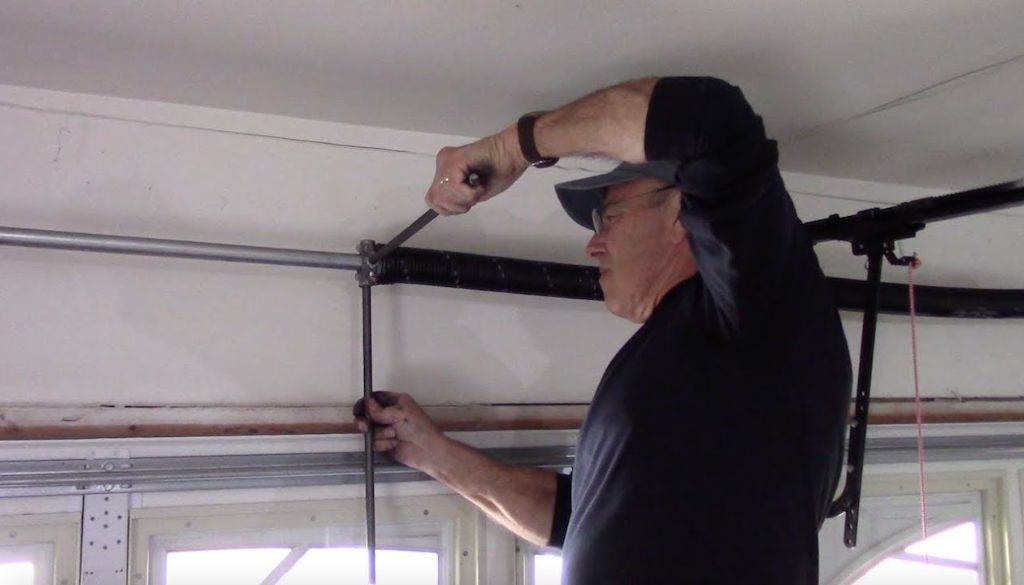
If your garage door is getting on in years, chances are your torsion spring is too. Most homeowners only think about spring replacement the moment the door refuses to budge — usually at the worst possible time. But is it worth getting ahead of the problem and replacing an ageing torsion spring before it fails? The short answer is: often yes. Here’s everything you need to know to make that call.
One of the biggest benefits of planning a proactive replacement is understanding exactly what you’re paying for before the technician arrives. If you want a full breakdown of what parts, labour, and call-out fees typically look like across different scenarios, our guide on how much a broken torsion spring repair really costs covers everything from single vs double springs through to high-cycle upgrades — so you can walk into the conversation with realistic numbers in hand.
What Does a Torsion Spring Actually Do?
A torsion spring is mounted horizontally above your garage door opening and is the workhorse of the entire system. When the door closes, the spring winds up and stores enormous mechanical energy. When you open the door, that stored energy releases, counterbalancing the door’s weight so the opener — or your arm — only needs to apply minimal force.
Without a functioning torsion spring, your garage door becomes dangerously heavy (often 100–200 kg for a double panel door), putting massive strain on your opener motor and making manual operation nearly impossible.
If you’ve ever dealt with a full spring failure, our detailed guide on how to repair a broken garage door spring walks you through exactly what to expect — and why it’s a job for the professionals.
How Long Do Torsion Springs Last?
Standard torsion springs are rated for approximately 10,000 cycles. One cycle equals one complete open-and-close movement. For a household that uses the garage door four times daily, that translates to roughly 7–10 years of service life.
| Spring type | Cycle rating | Est. lifespan (4x/day) |
|---|---|---|
| Standard | 10,000 cycles | ~7 years |
| High-cycle | 25,000 cycles | ~17 years |
| Heavy-duty | 50,000 cycles | ~34 years |
High-cycle springs: are they worth the upgrade?
High-cycle springs (rated 25,000–50,000 cycles) cost more upfront — typically an extra $80–$150 — but they can outlast two or three sets of standard springs. If your household opens and closes the door six or more times a day, or you use the garage as your primary entry point, upgrading to high-cycle springs at replacement time is almost always the smarter investment.
Warning Signs Your Torsion Spring Is Wearing Out
You don’t always have to wait for a bang to know a spring is struggling. Here are the key indicators:
Strange creaking, popping or squeaking sounds
Unusual noises — particularly squeaking under load or a metallic popping as the door moves — often signal that coil tension is uneven or the spring metal is fatigued. This is a classic early warning sign. Regular lubrication can reduce friction noise temporarily, but if the sound persists it’s time for a closer inspection.
Proper maintenance practices, including lubricating your garage door rollers, can extend spring life and reduce premature wear.
Door balance problems
Disconnect your opener and manually lift the door to waist height. A properly balanced door will stay in place. If it drifts down on its own, the spring is losing tension — a strong signal that failure is not far off.
Visible coil gaps, rust or distortion
Visually inspect the spring coils. A gap in the coils — a section that has separated — means the spring has partially or fully broken. Rust, corrosion, or stretched-looking coils are early warning signs of impending failure, particularly on the Sunshine Coast where salt air accelerates metal corrosion.
What Happens When a Torsion Spring Breaks?
When a torsion spring fails, you’ll typically hear a loud bang — often mistaken for a car backfire or something slamming inside the garage. Immediately after:
- The door becomes extremely heavy and nearly impossible to lift manually
- The automatic opener may strain to move the door or refuse to operate
- In some cases, the door can slam shut rapidly, creating a serious safety risk
- Any vehicles inside the garage can become temporarily trapped
The Case for Replacing Your Torsion Spring Early
1. You control the timing
Emergency repairs happen at the most inconvenient moments — a Monday morning before work, during a school run, or when guests are visiting. Scheduling a preventative replacement on your terms means no disruption to your day.
2. Lower risk of secondary damage
When a spring snaps suddenly, the violent release of tension can damage cables, drums, the opener motor and even the door panels. Replacing a worn spring proactively avoids this chain of damage, which can push your total repair bill significantly higher.
3. Potential cost savings
Emergency call-out fees and weekend rates can add $50–$150 to a standard repair. Scheduled preventative work is almost always charged at standard rates. You may also save on secondary repairs to cables, drums or openers that a spring failure might cause.
For a full breakdown of pricing, see our guide on the cost to fix a garage door in Australia to understand what different repair scenarios typically involve.
4. Safety for your family
A spring nearing end-of-life is unpredictable. Proactive replacement eliminates the risk of a sudden failure injuring a family member or damaging a vehicle.

The Downsides: When Early Replacement May Not Make Sense
To be balanced, early replacement isn’t always the right call:
- If the spring is only 3–4 years old and showing no wear signs, you likely have years of life left
- Springs can be difficult to accurately time — predicting the exact failure point isn’t possible
- There is an upfront cost involved, which may not suit every budget at every moment
How Much Does Torsion Spring Replacement Cost?
In Australia, torsion spring replacement generally falls in the following ranges:
| Scenario | Typical cost range | Notes |
|---|---|---|
| Scheduled replacement (standard spring) | $200–$350 | Standard rates, no emergency surcharge |
| Scheduled replacement (high-cycle spring) | $280–$450 | Higher upfront, fewer replacements needed |
| Emergency / after-hours replacement | $350–$550+ | Includes call-out and weekend surcharges |
| Dual spring replacement (both springs) | $350–$600 | Recommended when one spring fails |
For a detailed breakdown of all common repair costs, read our article on garage door spring replacement costs.
Should You Replace Both Springs at the Same Time?
If your garage door uses two torsion springs (most double doors do), it’s strongly advisable to replace both at the same time even if only one has failed or is showing wear. Here’s why:
- Both springs have almost identical age and cycle counts — if one fails, the other is close behind
- Mismatched spring tension creates uneven lifting, putting strain on cables, drums and the opener
- Labour costs are the same whether you replace one or two — replacing both saves you a second call-out fee shortly after
When Does Preventative Replacement Make the Most Sense?
Use this as a checklist. If two or more boxes apply, it’s worth having a technician assess or replace your spring proactively:
- Your spring is 7+ years old
- You use the garage door 4+ times per day
- You can hear unusual creaking, popping or grinding noises
- The door no longer stays put when held at waist height (balance test)
- You can see visible rust, corrosion or coil gaps on the spring
- You live close to the coast (salt air accelerates corrosion)
- You have a heavy door (double panel, timber or insulated steel)

How Preventative Maintenance Extends Spring Life
Even if your spring isn’t ready for replacement, good maintenance habits can add years to its service life:
- Lubricate the spring coils with a garage door-specific lubricant (not WD-40) every 6 months
- Have an annual inspection carried out by a qualified technician to check spring tension, cable wear and overall system balance
- Avoid slamming or manually forcing the door — unnecessary stress accelerates coil fatigue
Combining spring care with eco-friendly garage door maintenance practices keeps your entire system running longer and more reliably.
Frequently Asked Questions
How long do torsion springs last?
Standard springs are rated for around 10,000 cycles, which typically equates to 7–10 years for an average household. High-cycle variants can last 17–34 years depending on the rating.
Is it cheaper to replace springs before they fail?
Often yes — emergency call-out fees, weekend rates and the risk of secondary damage to cables, drums and the opener mean a sudden failure can cost $150–$250 more than a scheduled replacement.
Can I replace a torsion spring myself?
Torsion spring replacement involves components under extreme tension and is considered one of the most dangerous DIY garage door tasks. Severe injuries are well-documented. It should always be carried out by a qualified professional.
What happens if a garage door spring breaks while the door is open?
The door will likely slam shut due to its own weight. This is a serious safety hazard. If you hear or feel the spring break, step clear of the door immediately and call a professional before attempting to use the door.
Should I replace both torsion springs at the same time?
Yes — both springs wear at the same rate, so replacing only one means the other will likely fail soon. Replacing both together saves a second call-out and keeps the door balanced.
Not sure if your torsion spring needs replacing?
The team at Sunshine Coast Garage Door Guys can assess your spring and give you an honest recommendation. We serve all Sunshine Coast suburbs with same-day availability.
